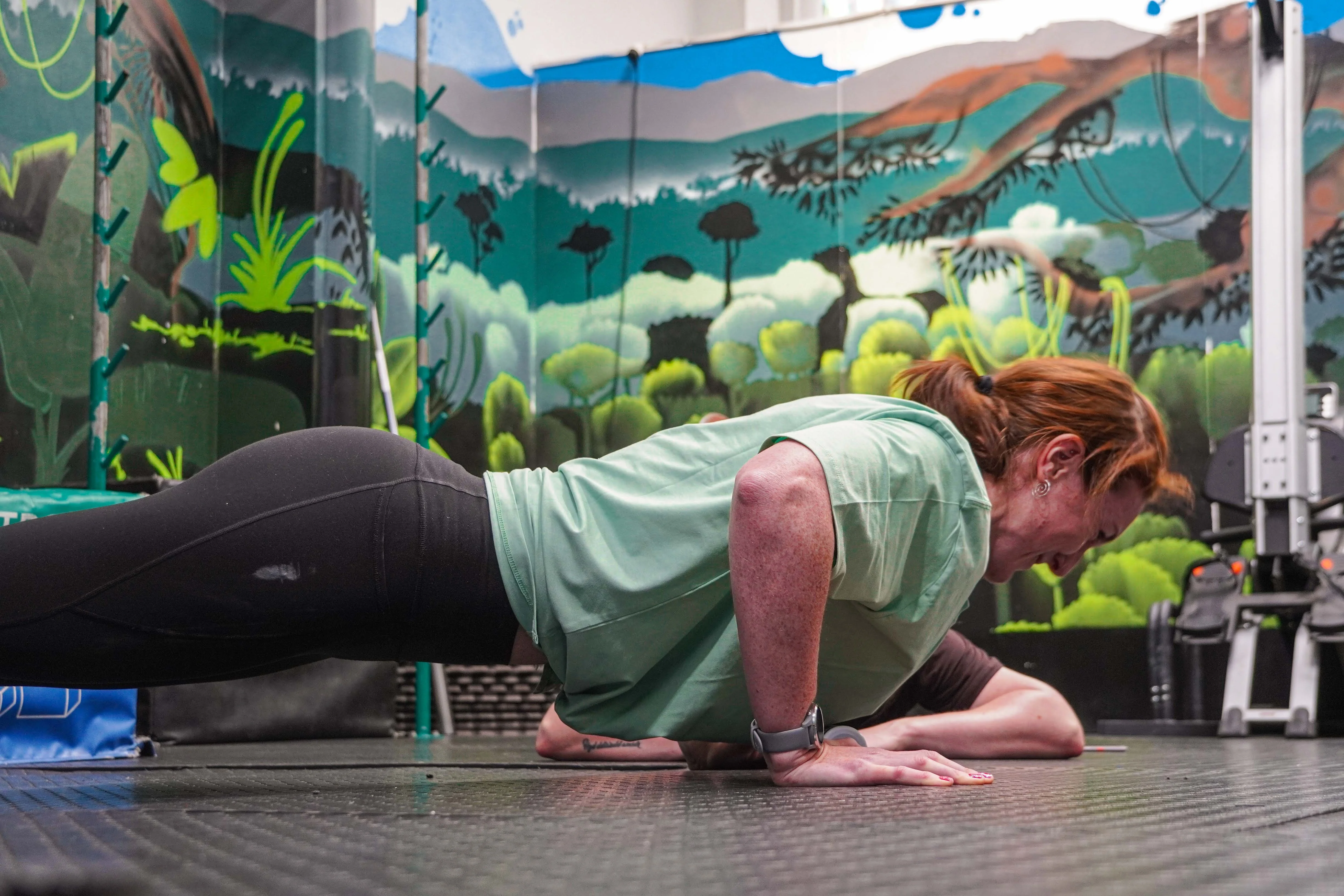
Women need strength training more than they need more cardio. While cardio has cardiovascular benefits, strength training builds muscle, increases resting metabolism, improves bone density, and creates the kind of body confidence that no amount of running can replicate. The ideal approach for most women is a strength-focused program with cardio used as a supplement — not the other way around.
Why Cardio Alone Doesn't Build the Body You Want
I'm not here to bash cardio. Walking is incredible. A good run can clear your head like nothing else. But if your entire training plan is cardio-based, you're leaving massive results on the table.
Here's what happens when women only do cardio: you burn calories during the session, your body adapts, you need to do more to get the same effect, and your body composition barely changes. You might get smaller, but you won't get stronger. You'll lose weight on the scale while your body stays soft, your metabolism slows, and your energy crashes.
I've had clients come to me doing 5–6 cardio sessions a week, eating 1,200 calories, and wondering why nothing was changing. The answer was always the same: they were under-eating, over-training with cardio, and had zero strength stimulus to signal their body to hold onto muscle. Should women lift weights? Without question.
The Benefits of Strength Training for Women
When I say strength training changes everything, I mean everything. Not just how you look — how you feel, how you move, how you show up in the world.
1. You Build Muscle (And That's a Good Thing)
Muscle is metabolically expensive tissue. The more you have, the more calories your body burns at rest. This means you can eat more, train less frantically, and actually enjoy your life instead of being chained to a treadmill. Benefits of strength training for women start with this: muscle is your metabolic engine.
2. Your Metabolism Stops Working Against You
Chronic cardio without strength training tanks your metabolism over time. Your body becomes efficient at conserving energy — the exact opposite of what you want. Strength training reverses this. Every kilogram of muscle you add increases your basal metabolic rate. You become a body that burns more fuel just by existing.
3. Bone Density — The Thing Nobody Talks About Until It's Too Late
Women lose bone density faster than men, especially after 30. Resistance training is one of the most effective ways to maintain and build bone density. This isn't a vanity thing — it's a long-term health thing. The squats and deadlifts you do now are insurance against osteoporosis later. Your 60-year-old self will thank you.
4. Confidence That Comes From the Inside
This one is harder to measure but impossible to miss. When you get under a barbell and lift something heavy, something shifts inside you. You stop seeing your body as something to shrink and start seeing it as something to build. That shift changes everything — how you walk, how you speak, how you take up space.
The confidence you get from lifting isn't about how you look in the mirror. It's about knowing what your body can do — and knowing you built that yourself.
Why the Combination Matters
I'm not telling you to quit cardio entirely. The strength training vs cardio debate isn't really a debate at all — it's about priorities. Here's how I structure it for most of my clients:
- 3–4 strength sessions per week — compound movements like squats, deadlifts, presses, rows, and pull-ups
- 2–3 low-intensity cardio sessions — walking, cycling, swimming at a pace you can hold a conversation
- 1 optional higher-intensity session — intervals or a sport you enjoy, not something you dread
The strength work is non-negotiable. The cardio is flexible. This ratio gives you the muscle-building stimulus your body needs while keeping your heart healthy and your stress levels managed. Most women I work with actually do less total training than they were doing before — and get dramatically better results.
How to Start Shifting From Cardio-Dominant to Strength-Focused
If you're currently doing mostly cardio, don't flip everything overnight. Here's how to transition without feeling overwhelmed:
- Week 1–2: Replace one cardio session with a full-body strength session. Keep everything else the same.
- Week 3–4: Add a second strength session. Drop one more cardio session or shorten it.
- Week 5–6: You should be at 3 strength sessions and 2–3 cardio sessions. This is your sweet spot.
- Ongoing: Focus on progressive overload — adding weight, reps, or sets over time. This is how you keep getting stronger.
You don't need to know everything before you start. You need a barbell, a plan, and the willingness to feel like a beginner. The feeling of not knowing what you're doing is temporary. The strength you build is permanent.
The Part Nobody Warns You About
Here's what happens when women start strength training consistently: the scale might not change much. It might even go up. And that terrifies women who've been taught that the number on the scale is the only metric that matters.
But your jeans fit differently. Your posture changes. You carry your groceries without thinking about it. You pick up your kids without your back hurting. You catch a glimpse of your shoulders in the mirror and think, damn. That's the shift. That's what strength training does that cardio never will.
Stop asking whether you should do cardio or weights. Start asking yourself what kind of body — and what kind of life — you actually want to build. Then train for that.
